

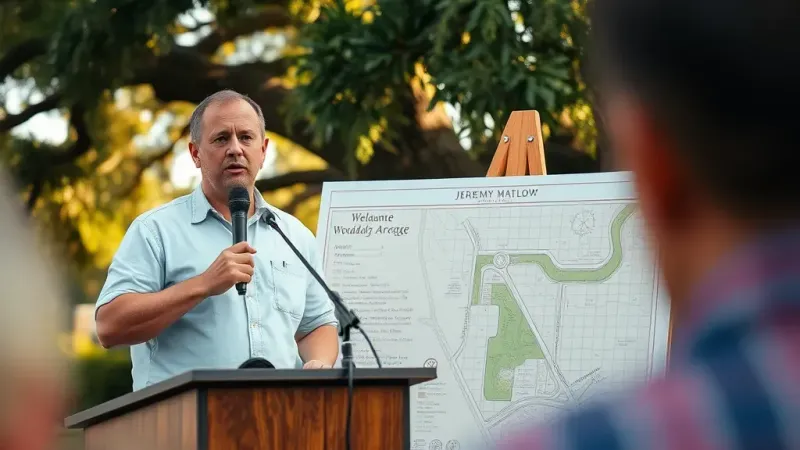
Local – Tallahassee Reports reported that Jeremy Matlow is proposing five hundred affordable housing units over four years. This proposal represents a specific plan aimed at addressing housing availability within the local community through targeted initiatives and the utilization of public resources over the designated four-year timeframe.
In furtherance of this initiative, Jeremy Matlow is identifying over six hundred acres of government-owned land in Welaunee. This extensive acreage represents a significant portion of publicly held property that could potentially be brought into the conversation surrounding future residential developments designed to meet community needs.
Additionally, the planning process involves looking closely at the geographical details of the region. Specifically, there is approximately four hundred thirty acres of city-owned land mapped. This mapping provides essential data regarding the municipal holdings available within the city limits.
When evaluating the current landscape of residential options, public officials and residents often look at existing capacity. Data regarding the local housing market indicates that tallahassee has five thousand three hundred ninety income- and rent-restricted units. This existing total of restricted units offers important context when considering the addition of new housing units to the community.
The broader implications of the plan continue to be a point of discussion for those following local developments. Because Jeremy Matlow is proposing five hundred affordable housing units over four years, observers are examining how the initiative intersects with the over six hundred acres of government-owned land in Welaunee. Furthermore, the approximately four hundred thirty acres of city-owned land mapped add another layer of spatial analysis to the overall discussion. When weighed against the fact that tallahassee has five thousand three hundred ninety income- and rent-restricted units, these proposals and land identifications form the core elements of the ongoing policy dialogue surrounding growth, land use, and housing availability in the area. The combination of these factors ensures that municipal stakeholders maintain a strong focus on how public lands and existing restricted housing inventories interact as the city plans for its future over the coming years.