

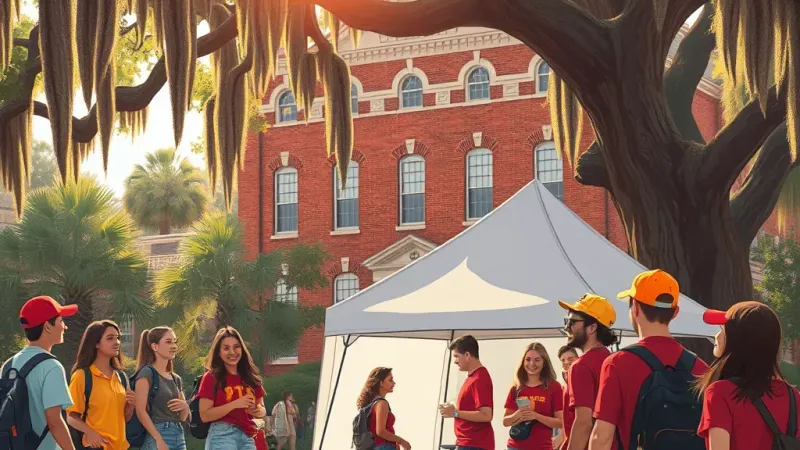
Florida State University News reported that Florida State University has a 175-year history. This long and storied timeline includes the development of numerous campus traditions, academic milestones, and student activities that have shaped the institution over many generations. Among all the events that take place on campus throughout the academic year, the annual Homecoming celebration stands out as one of the most enduring and widely anticipated traditions for students, alumni, faculty, and staff alike.
The history of this campus tradition dates back through the decades of the institution's existence. Historical records regarding this cherished campus event show that Florida State University held its first Homecoming celebration in nineteen forty-eight. This inaugural event marked an important milestone for the university community, providing a structured opportunity for alumni to return to campus and for current students to demonstrate their institutional loyalty and school spirit.
When the university first organized the celebration, the format was much shorter than what modern attendees experience today. Specifically, Homecoming started as a two-day gathering. Despite the limited amount of time available during those first few years, organizers managed to pack a significant amount of programming into the brief window to ensure that the inaugural event was memorable and engaging for everyone involved.
Looking closely at the schedule of those initial years, early events included a parade, pep rally, football game, and dance. These four distinct activities formed the foundational pillars of the Homecoming tradition at Florida State University. The parade brought colorful pageantry to the campus and surrounding areas, the pep rally generated enthusiasm and excitement for the upcoming athletic contest, the football game provided the central sporting competition, and the dance offered a social gathering to conclude the festivities.
Over the course of the subsequent decades, as the university expanded its enrollment, physical footprint, and campus life offerings, the annual Homecoming tradition underwent a significant transformation. Reflecting the growing scale of the institution and the increasing enthusiasm of the student body, Homecoming eventually expanded beyond its original timeframe. Through years of continued participation, student planning, and administrative support, Homecoming evolved into a weeklong celebration, offering an expanded schedule of events while still honoring the historical roots established by the very first celebration held by Florida State University.